





Tensions in China’s EV Industry Erupt at Chongqing Forum 2025
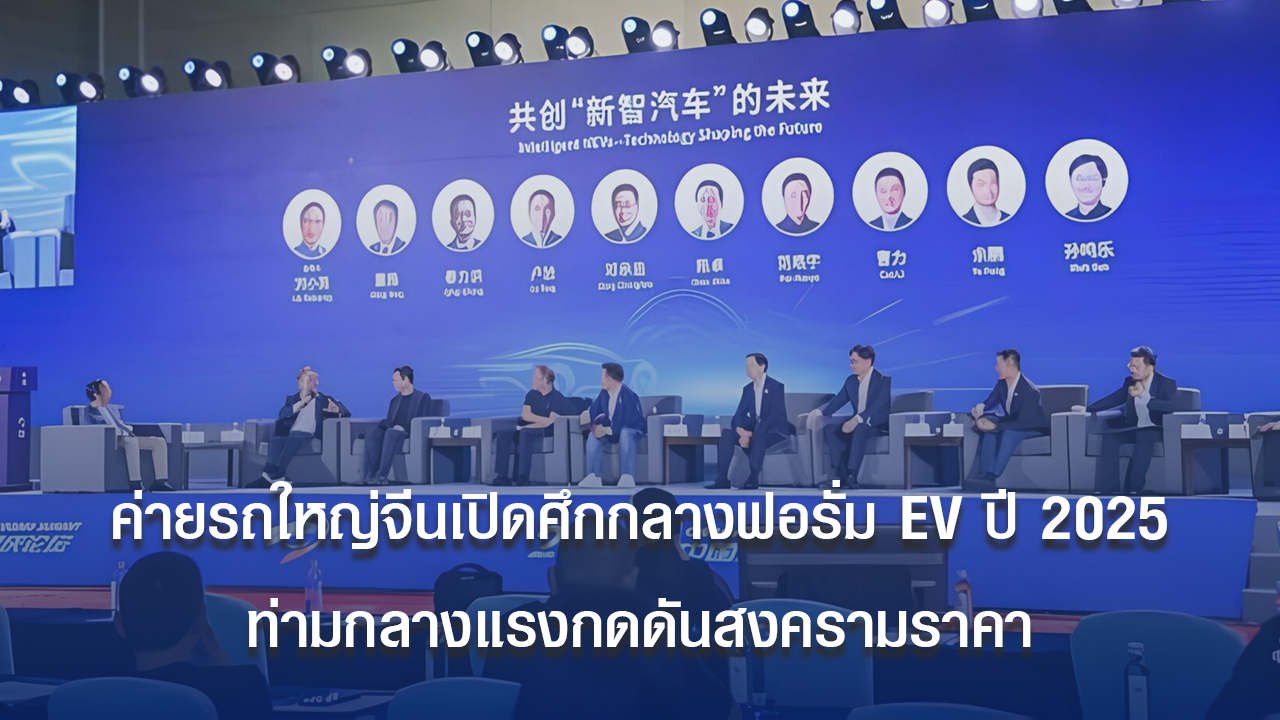
The 2025 Automotive Forum in Chongqing, China, became a heated battleground as top executives from BYD, Geely, and Great Wall Motor (GWM) exchanged fierce public criticisms—highlighting intensifying rivalries in China’s electric vehicle (EV) industry, particularly amid aggressive price competition and shrinking profit margins.
The Spark That Ignited the Clash
Li Yunfei, General Manager of Branding and PR at BYD, ignited controversy by accusing unnamed competitors of using “dirty tactics” and “smear campaigns” to manipulate public opinion. His remarks stood in sharp contrast to BYD Chairman Wang Chuanfu’s 2023 call for unity, when he stated, “We are China’s auto industry.” Just two years later, that spirit of unity seems to have unraveled.
Geely and GWM Strike Back
Victor Yang, Senior Vice President of Geely, responded swiftly, accusing BYD of distorting the truth and comparing the situation to “a thief crying theft.” He called for government oversight instead of emotional rhetoric. Meanwhile, GWM Chairman Wei Jianjun had previously warned of an impending crisis, describing the situation as a “ticking time bomb.”
Other Players Join the Fray
Yu Chengdong of Huawei criticized companies that rely on a single successful product, prompting Xiaomi’s Lei Jun to respond online, “Slander is the highest form of respect.” In contrast, Chery adopted a more neutral tone. Its executive vice president, Li Xuyong, acknowledged the fierce competition but suggested it could lead to sustainable growth if automakers focused on core strengths.
BYD’s Defense and Counterclaims
Li Yunfei emphasized that BYD avoided naming competitors, in line with internal directives from top leadership. However, he still described the behavior of some firms as “foolish and malicious,” calling on the government to address what he described as a systematic spread of misinformation. Victor Yang countered that such claims were merely moral posturing and warned that terms like “uncooperative” or “bad actors” cannot replace the rule of law. Executives from GAC Aion, Seres, Changan, and Chery voiced support for principled, rules-based competition.
The Root Cause: Price Wars
According to the China Council for the Promotion of International Trade (CCPIT), over 200 car models were discounted in 2023, with more than 60 additional models following suit in early 2025. This trend peaked in May, when over 100 models saw simultaneous price cuts. Industry profit margins plummeted to just 3.9% in Q1 2025, down from 8.99% in 2014. Despite growing sales volumes, profitability continues to erode—creating an increasingly toxic market environment.
Government Bodies Respond
The China Association of Automobile Manufacturers (CAAM) issued a statement condemning predatory pricing strategies designed to drive competitors out. Meanwhile, the China Automobile Dealers Chamber of Commerce warned against pressuring dealerships with unrealistic sales targets, deeming such tactics unsustainable.
A Turning Point for the Industry?
Experts say that with EV usage surpassing 40% of the market, China’s auto industry is hitting the limits of traditional growth. Automakers are forced to choose between slashing prices or heavily investing in advanced technologies like autonomous driving and solid-state batteries. Even Tesla, once dominant in Europe, has not been spared: its Q1 2025 sales fell 36% year-over-year, with sales in Germany and France plunging over 60%.
Conclusion: A Turning Point—or Just Another Skirmish?
As China’s EV game enters its mid-phase, all players are raising the stakes, while the margin for error continues to shrink. It remains unclear whether this forum clash marks a true turning point or just another flare-up in a prolonged battle. One thing is clear: the era of unity in China’s auto industry is over.
Source: CarNewsChina