





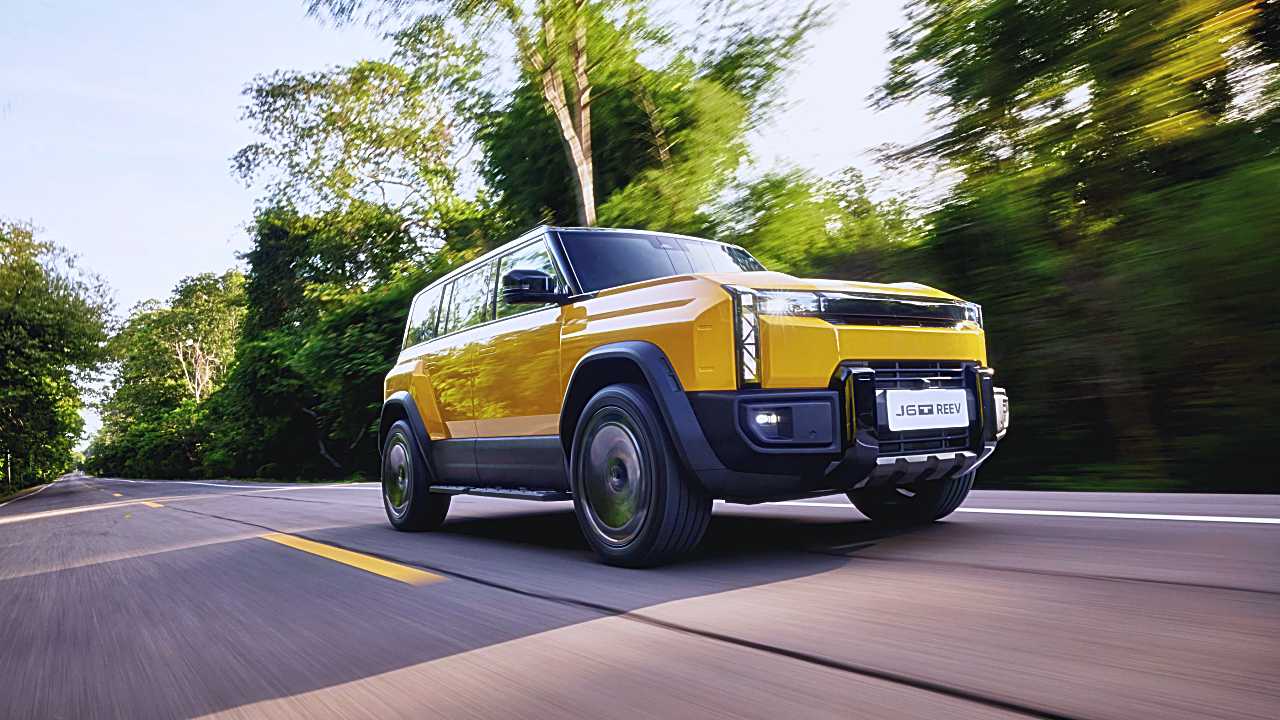
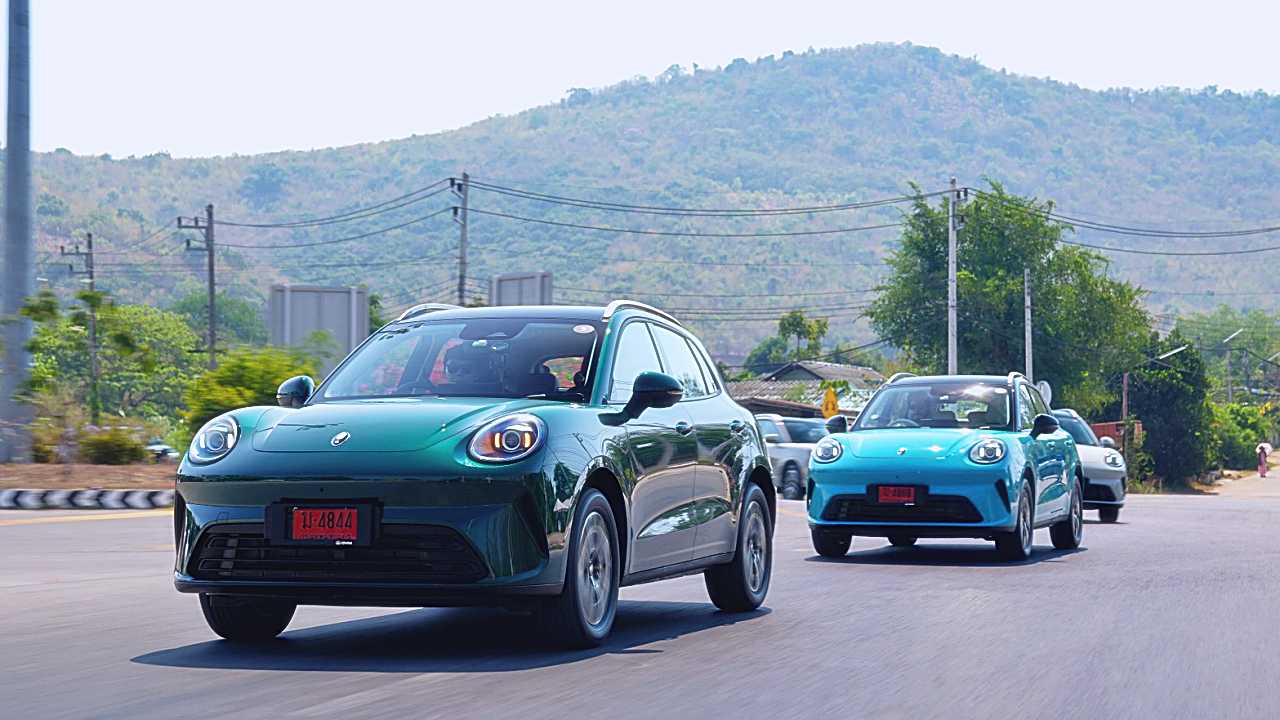









Mexico has announced it will raise import tariffs on automobiles from China and other Asian countries to 50% as part of a major overhaul of import duties. The government says the move is aimed at protecting jobs, while analysts believe it is also intended to respond to the United States.
The Mexican government stated that Chinese cars are being sold domestically below standard reference prices, making protective measures necessary to safeguard the industry. Analysts, however, see the decision as appeasing the U.S., which does not want China to use Mexico as a channel to ship goods into America.
The measure will affect over US$52 billion worth of imports, accounting for 8.6% of all imported goods, and is expected to protect more than 325,000 jobs in the industrial sector. It will cover a range of products such as automobiles, steel, toys, motorcycles, and textiles, and will primarily target countries without trade agreements with Mexico, including China, South Korea, India, Indonesia, Russia, Thailand, and Turkey.
Previously, the economy minister had opposed tariffs, citing concerns over economic growth and inflation. However, he acknowledged that market protection is necessary to remain competitive. At the same time, analysts warned the tariffs might temporarily boost sales of Chinese cars in the short term.
The U.S. and Mexico share a free trade agreement with Canada, which will be up for review next year — a factor that could heavily influence Mexico’s trade policy direction.
Source: Reuters