










Mitsubishi Motors has announced a major shift in its electrification strategy, abandoning plans to develop electric vehicles (EVs) in-house in favor of collaborating with strategic partners. The move comes after the company's top executive acknowledged that Mitsubishi is simply too small to shoulder the massive investments required for EV development on its own.
Speaking at the company's annual shareholders' meeting, Mitsubishi Motors President and CEO Takao Kato said the automaker will focus on developing future EVs through partnerships rather than investing heavily in proprietary platforms and technologies.
"We are continuously strengthening our own capabilities so that we can respond independently when battery electric vehicle (BEV) demand expands significantly in the future. When that time comes, we will take the necessary actions. For now, however, our approach is to address electrification through collaboration," Kato said.
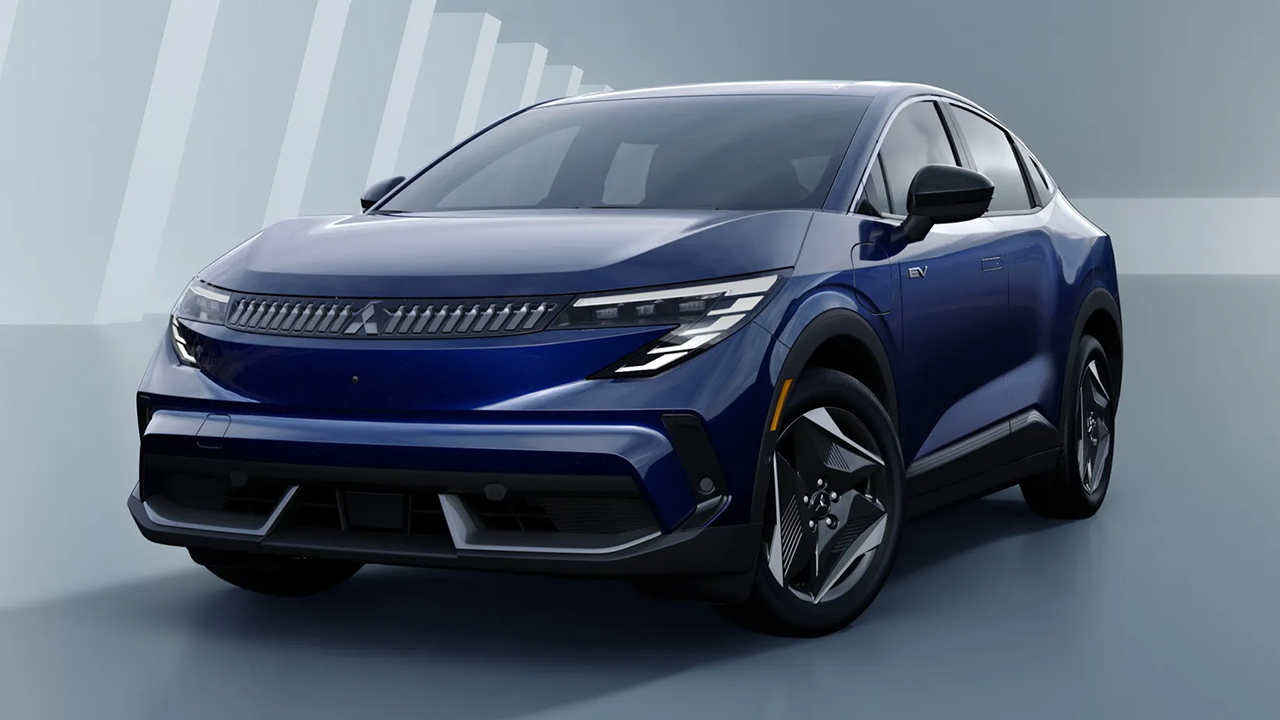
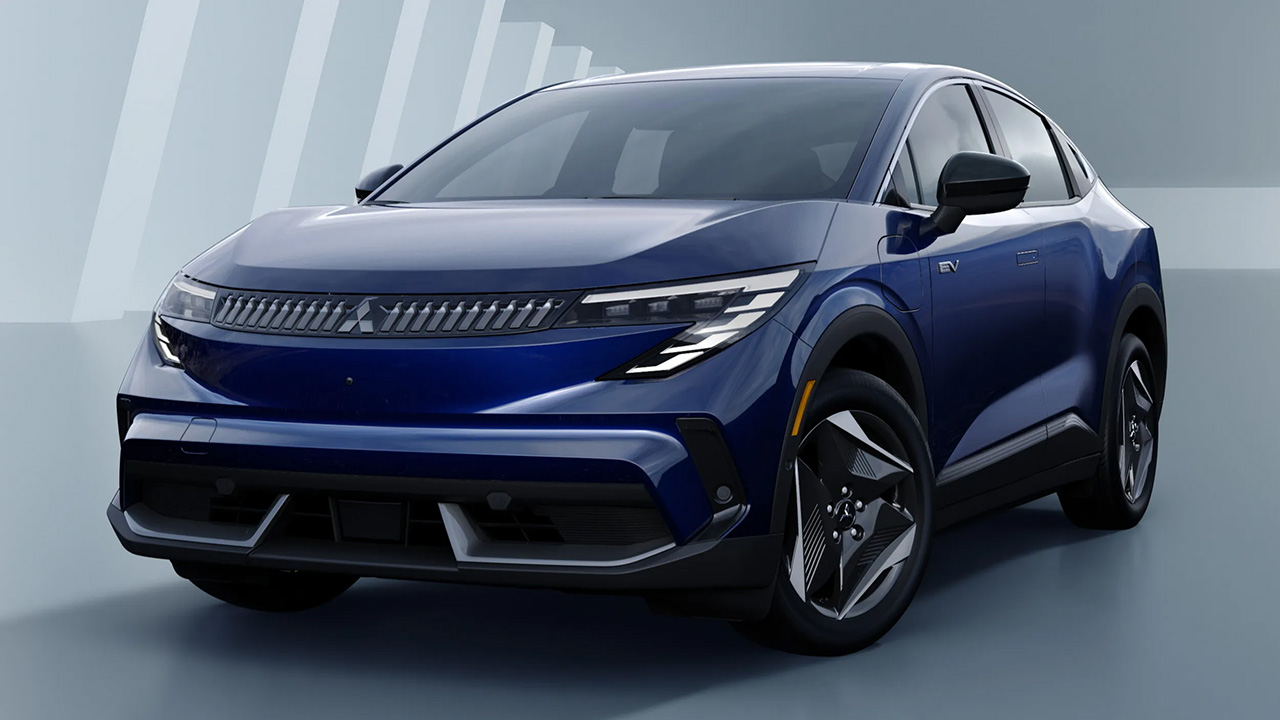
Mitsubishi has already begun implementing this strategy. Earlier this year, the company unveiled the Eclipse Sportback EV for North America, a rebadged version of the new Nissan Leaf, while the European-market Eclipse Cross EV is based on the Renault Scenic E-Tech. Both models highlight Mitsubishi's growing reliance on the Renault-Nissan-Mitsubishi Alliance for its next-generation electric vehicles.
Kato admitted that global EV demand has begun to lose momentum. While the automotive industry had been aggressively pursuing electrification over the past several years, many manufacturers have reassessed their strategies over the last one to two years.
"For a company of Mitsubishi's size, making a massive investment in a single technology and then suffering substantial losses would create a serious management issue," he said.
Although EV sales continue to grow in markets such as the United Kingdom, Germany, France, and Australia, the United States—the world's second-largest automotive market after China—has experienced a noticeable slowdown.
Industry data shows that U.S. EV sales fell by 27 percent during the first quarter of 2026 following the federal government's decision to eliminate EV tax incentives in late 2025 and relax emissions regulations in February 2026. The changing market conditions have prompted many global automakers to rethink their electrification investment strategies.
Kato emphasized that Mitsubishi's immediate priority is to closely monitor market developments. For technologies requiring significant capital investment, the company intends to share development costs with alliance partners in order to minimize financial risk.
The announcement represents a significant departure from Mitsubishi's previous roadmap. In March 2023, the company revealed plans to develop an all-electric pickup truck in-house for launch by 2028. However, the project is no longer included in Mitsubishi's latest Mid-Long Term Vision released in May.
Mitsubishi has also expanded its badge-engineering strategy across its product lineup. The Mitsubishi ASX sold in Australia is essentially a rebadged Renault Captur, while the Mitsubishi Grandis available in Europe is a lightly redesigned version of the Renault Symbioz.
Despite remaining profitable in its latest fiscal year, Mitsubishi Motors reported a 46 percent decline in operating profit, even as revenue increased by 4 percent, underscoring the growing financial pressures facing automakers during the industry's transition toward electrification.
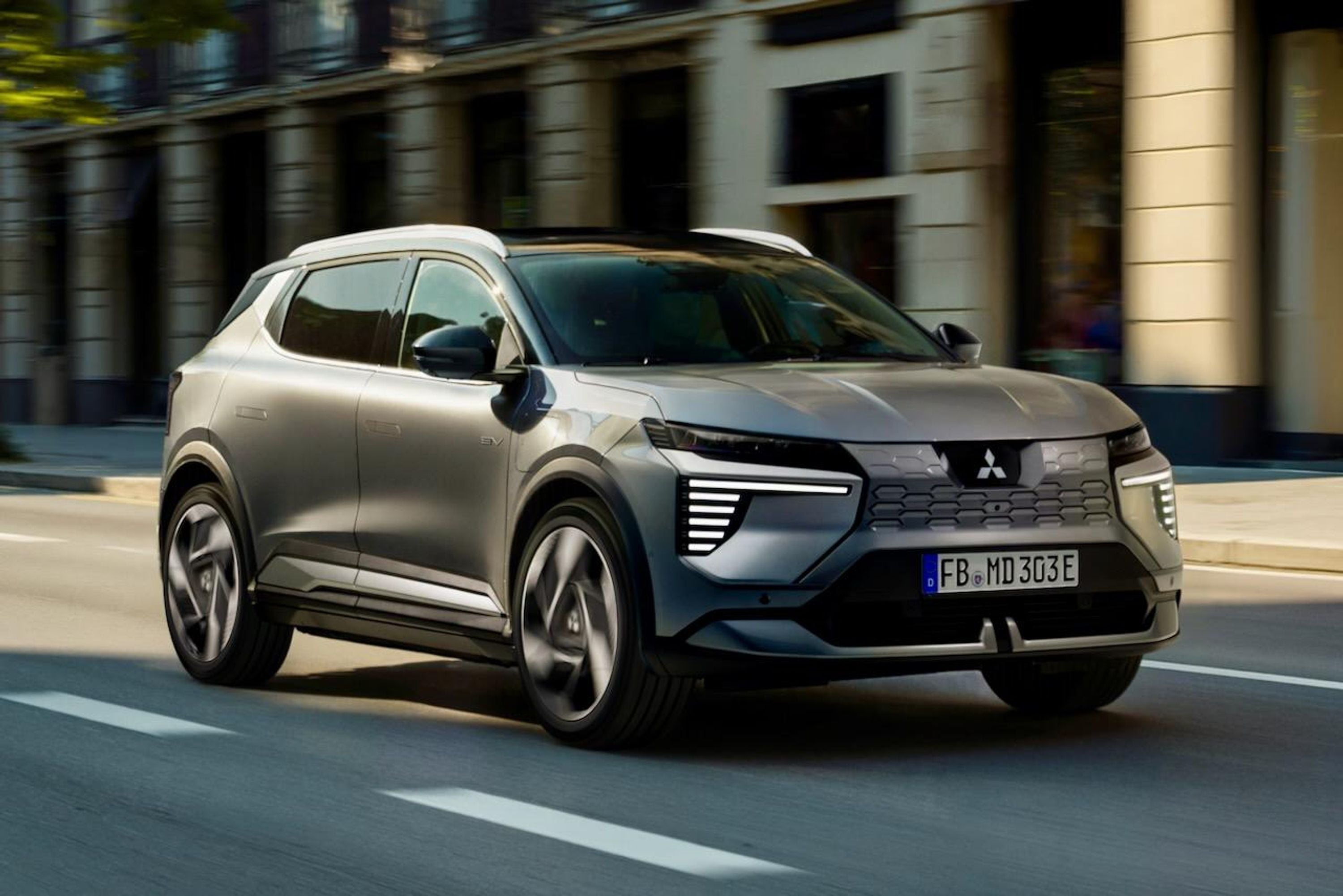
Source: CarExpert